
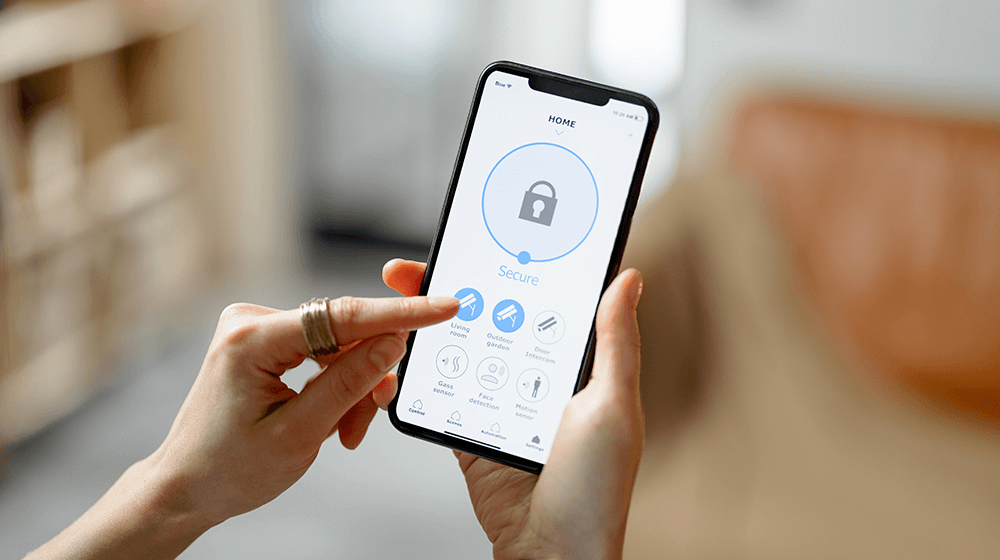
Security of your mobile phone and its contents is essential for safeguarding personal data, privacy, and identity. A secure mobile phone consists of three primary elements:
First and foremost is software encryption. This can shield your information from hacking, unauthorized access, and data leakage.
?How Can Encryption Services Help
Software encryption is a popular method for secure data on devices and computers that's simpler and less expensive to implement than hardware solutions. Plus, it works across all devices within an organization for maximum convenience and cost efficiency.
However, software encryption can pose a security risk if not properly implemented. It may use an insecure password or even be cracked easily by hackers.
To prevent this, a secure mobile phone should have a hardened OS with features like downgrade prevention and anti-phishing.
Additionally, avoid running any apps in the background that could be vulnerable to malware. Doing so makes it harder for viruses to infiltrate into your operating system.
Encryption is also essential in case of theft or loss, providing a safeguard for the data stored on your device that can easily be reinstalled if any OS changes occur.
?What Is Physical Security
Security for mobile devices such as phones and tablets is often disregarded, yet it's an essential aspect when protecting data. Since these gadgets are small and easily stolen, if not secured properly, they could expose personal and financial information.
A comprehensive physical security strategy employs multiple tactics to safeguard your assets. This may include technology and specialized hardware like access control and surveillance cameras that deter threats, prevent intrusions and respond quickly to events like burglary or theft.
Tracking access attempts and asset activity is an increasingly critical component of physical security in the age of internet-connected technologies. To effectively monitor these events, digital logs must be processed, stored, and presented in a format that facilitates forensic analysis.
That is why a comprehensive physical security strategy must incorporate cybersecurity alongside traditional elements like surveillance, access control and testing. Doing this ensures the highest possible protection is in place and potential risks are minimized to a minimum.
?What Is Network Security
Network security is an umbrella term that encompasses various hardware and software solutions to safeguard networks against breaches, intrusions and other threats. This encompasses everything from access control systems and virus/antivirus software, application security measures like firewalls and VPN encryption – just to name a few.
Mobile devices, particularly Bring-your-own-device (BYOD) models, are an integral part of modern network security as businesses increasingly rely on them for communication with employees, conducting business and managing corporate data. Without adequate mobile device security measures in place, enterprises could become vulnerable to cyber attacks and lose vital company data.
Secure mobile phones are devices that can be locked safely to prevent unauthorized users from accessing and stealing its data. They must also feature strong biometric security features to guarantee only the owner can unlock it and gain access to its contents.
?How To Prevent Data Leakage
Secure mobile phones should have a comprehensive data leakage prevention strategy that protects sensitive information. This should include software encryption, strong passwords, and continuous monitoring to ensure maximum protection.
Data leakage occurs when someone, device or organization transfers data outside their authorized destination without consent from the originator. It can be due to IT misconfigurations, malicious insiders or external attacks.
Organizations must implement security measures and practices that guarantee compliance with their privacy policies and regulations. They can also implement endpoint security, data encryption, and secret management.
One of the most frequent sources of data leakage occurs through unauthorized apps that access personal information on your smartphone. These applications usually use Android permissions to gain access to features like GPS location, motion and compass sensors on your phone.
If an app requests these permissions, it could be a sign that they're trying to steal your private data. Therefore, it's essential to disable any permissions requested by an application.